


ARFID eating disorder (Avoidant/Restrictive Food Intake Disorder) is more than just picky eating or a simple lack of interest in food. It’s a complex condition influenced by many underlying factors, including sensory differences, past trauma, mental health, fears of choking or vomiting, medical conditions, or differences in how internal body signals indicating feelings like hunger or fullness are processed. For many diagnosed with ARFID, it reflects a deeply rooted nervous system response rather than an intentional choice or behavioral issue.
This complexity often clashes with rigid societal expectations about what a “healthy” relationship with food should look like—expectations that can erase or invalidate the very real experiences of those living with ARFID. In fact, people navigating eating disorders such as anorexia nervosa or bulimia nervosa may experience similar pressures. However, the unique experiences and needs of people with ARFID are often misunderstood or overlooked.
Affirming and non-ableist care reminds us that nourishment can look different for different bodies. What matters most is supporting felt safety, autonomy, and trust in one’s body—not relying on compliance techniques to enforce narrow standards.
This page explores how interoception (the sense that helps us understand hunger, fullness, thirst, disgust, pain, and other internal states) can help people with ARFID reconnect with their bodies. Through affirming, neurodiversity-informed support—not compliance-based eating disorder treatment—we can shift the narrative and support long-term recovery grounded in compassion and body trust.
What Is ARFID Eating Disorder?
First, what is ARFID? Avoidant/Restrictive Food Intake Disorder (ARFID) is a type of eating disorder that is usually defined as extreme avoidance or restriction of food. Often, it’s said to differ from other eating disorders, such as anorexia nervosa or bulimia nervosa, because it’s not driven by concerns about body image or weight (hint: this is not true for all ARFIDers!).
ARFID affects people of all ages, genders, and body sizes and can be common among individuals with anxiety disorders, ADHD, autism spectrum disorder, and other neurodivergences. It also may co-occur with medical conditions like gastroesophageal reflux, food intolerances, or chronic pain.
Why Does Interoception Matter for ARFID?
In fact, many people with ARFID experience interoception differences, such as:
- Muted or delayed hunger signals
- Overwhelming sensations of fullness after small meals
- Sensory and/or pain-related interoceptive cues that trigger food avoidance
- Difficulty distinguishing hunger vs. anxiety vs. nausea
- Intense signals of disgust around certain foods
When interoceptive signals are unreliable, eating can become distressing—or even feel threatening. Add in factors like trauma history, medical conditions, or sensory overload, and many foods may no longer feel safe to engage with.

Free Download: 5 Ways to Support Body Trust for People with ARFID
When someone you care about struggles to eat, it can be deeply challenging to know how to offer support. This free 1-page guide offers five respectful, relationship-centered strategies to support eating without pressure. Rooted in interoception and body trust, each idea is designed to promote felt safety—an essential foundation for long-term shifts in how food is experienced.
These approaches not only support the nervous system to feel safer around food but also help uncover how the body feels and what it might need in those moments. Whether you’re a caregiver or professional, this handout offers compassionate language and curiosity-driven tools to explore—together, one step at a time.
Why Compliance-Based Feeding Strategies Can Backfire
Common feeding interventions—such as cognitive behavioral therapy, token boards, or “just one bite” exposure goals—are often built around external motivation and/or very little curiosity or validation of a person’s inner felt experience. These compliance-based strategies can unintentionally cause harm, especially for people with ARFID.
Why?
- They invalidate the real, body-based experiences of discomfort or fear
- They encourage masking and ignoring interoceptive cues
- They may condition individuals to dissociate from their bodies to meet expectations
These strategies often further derail the interoceptive experience. They teach someone to ignore what their body is telling them in order to meet someone else’s demand—and that can be deeply damaging.
This matters because avoidant restrictive food intake isn’t simply about behavior. It’s often a response to internal signals that are unreliable. For example, someone may avoid eating certain foods because interoceptive cues—like pain, nausea, or sensory overwhelm—are too intense or unpredictable. Others might not feel hunger or fullness until they are in extreme states—the dysregulation making it hard to meet the body’s needs effectively.
Instead of external control, people with ARFID need affirming support that prioritizes felt safety, inner curiosity, and body trust. Interoception helps re-center their internal experience, offering insight into distress and discomfort while supporting more comfortable and empowered relationships with food.
An Interoception Approach to ARFID and Feeding Differences
Feeding differences aren’t one-size-fits-all. An affirming interoception-based approach to ARFID involves:

Recognizing that food can feel a certain way to the nervous system—it is not a choice, but an automatic response.

Exploring the underlying factors of feeding differences (including interoception, but also sensory, motor, emotional, etc.).

Helping a person understand their own unique interoceptive experience, including how their body feels and what it needs for felt safety.

Creating eating environments that support a regulated and safe feeling body.

Validating what the body dictates as food preferences and honoring safe foods.

Letting go of rigid definitions of progress or health. For example, discussing with a medical professional the use of specific nutritional supplements if food intake is resulting in nutritional deficiencies.

How Interoception Can Help People with ARFID Eating Disorder
In many traditional eating disorder treatment models, interoception is overlooked. But growing evidence—and lived experience—suggests that restoring a connection to internal signals is key to long-term support and self-trust.
Interoception provides two critical insights: it helps us understand what someone may be experiencing now (like distress, fear, or sensory mismatch), and it gives us a pathway toward more regulated, comfortable eating experiences over time.
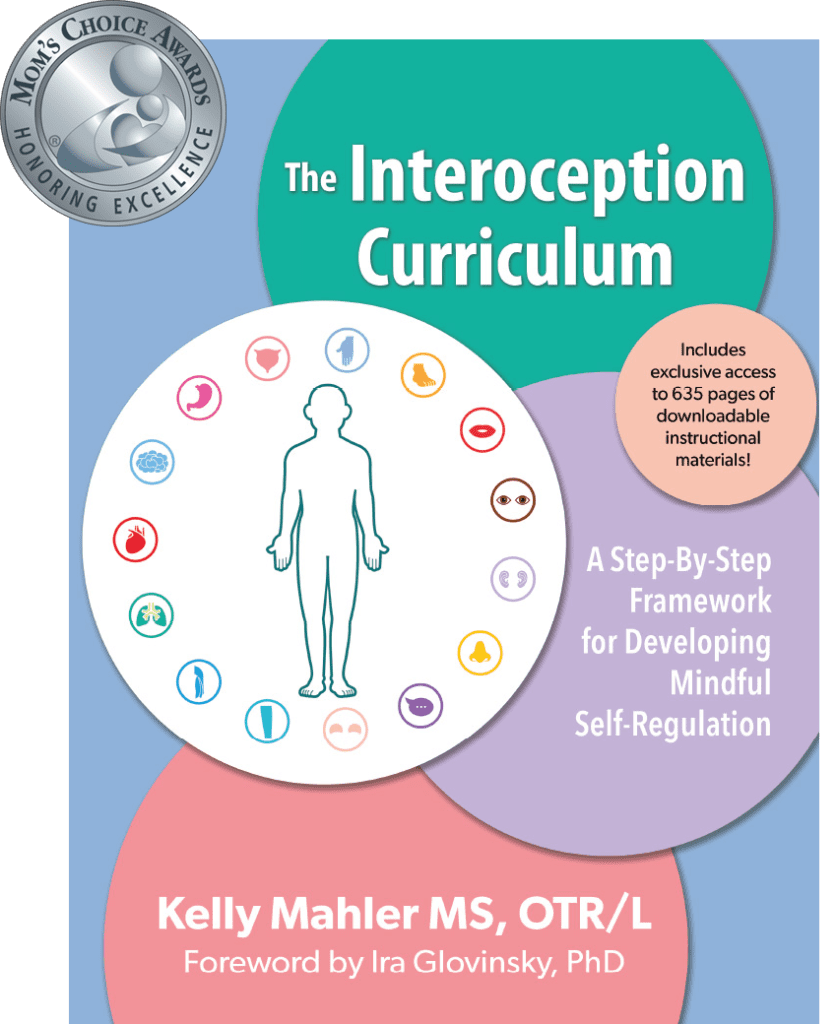
The Interoception Curriculum© offers a structured approach to body exploration, helping individuals understand their unique internal signals. When people are supported to safely explore what hunger, fullness, pain, thirst, disgust, or satiety feels like in their body (rather than how it’s “supposed to” feel), they’re better able to regulate and advocate for their needs. Interestingly, interoception work has also been found to support improvements in body image and body trust, as well as help decrease reliance on external cues for nourishment.
What matters most is supporting the person with inner curiosity and validation—not fixing the food. In this model, interoceptive reconnection is not about demanding change—it’s about empowering people to understand, regulate, and advocate for what their bodies need.
Interoception’s Role in Other Eating Disorders
While this page focuses on ARFID, interoception differences are also relevant in eating disorders (ED) like anorexia nervosa and bulimia nervosa. In these conditions, body signals such as hunger, fullness, or emotional distress may be muted, misread, or overridden. This disconnect can contribute to restrictive behaviors, binge-purge cycles, or a lack of attunement to the body’s needs.
Rebuilding interoceptive awareness—gently and without pressure—can help support more regulated and compassionate relationships with food. For autistic individuals, whose sensory and neurological experiences are often misunderstood, interoception work is especially important—but often left out of traditional treatment models.
To dive deeper into this intersection, check out our on-demand course Autism and Eating Disorders: Dying to Be Thin, co-taught with autistic advocate Kim Clairy. The course explores current research and offers practical tools for adapting ED care to better honor autistic neurology.
People with ARFID Are Not Picky Eaters: Hear It From Them!
In many traditional eating disorder treatment models, interoception is overlooked. But growing evidence—and lived experience—suggests that restoring a connection to internal signals is key to long-term support and self-trust.
ARFID is so often misunderstood as “picky eating,” but the reality is far more complex and deeply rooted in the body. Avoidant/Restrictive Food Intake Disorder (ARFID) is not about food preferences—it’s about how the nervous system, senses, and internal body signals respond to the eating experience itself.
Through a survey of more than 70 people who identify as having ARFID, my colleague Naureen Hunani and I heard powerful stories of pain, fear, and misunderstanding. Many participants shared experiences of physical discomfort while eating—like reflux, migraines, and nausea—and the frustration of being dismissed or disbelieved by professionals. These experiences highlight a crucial truth: ARFID is a body-based, sensory, and interoceptive condition that requires compassionate, validating support—not pressure to “just try new foods.”
Read The Experiences of People with ARFID
What people with ARFID want most is to be believed, understood, and given autonomy over their own eating experiences. Every voice in our research emphasized the importance of felt safety and choice—deciding what, when, and how they eat without judgment. Sensory differences play a huge role, from textures and smells to the sounds and visuals of food, making the act of eating overwhelming for many.
When we approach ARFID through the lens of interoception, we can support individuals in rebuilding trust with their bodies and creating environments that feel safe and predictable. True progress happens not through fixing or forcing, but through curiosity, respect, and the belief that every body’s experience with food deserves to be honored.
Empowering Support Through Interoception
Whether you’re navigating an ARFID eating disorder, supporting someone with feeding differences, or seeking more compassionate eating disorder treatment, interoception offers a vital, often overlooked piece.
Interoception—the ability to notice and make meaning of internal body signals like hunger, fullness, nausea, or anxiety—can help people feel safer in their bodies and more understood in their identity with food.
Explore our affirming interoception resources—including courses, tools, and free downloads—designed to support autonomy, body trust, and felt safety. Every moment of curiosity is a step toward connection.