
Have you ever felt your stomach growl? Your head pound? Your heart race? Your palms sweat? Your eyes grow heavy?
If so, do you know how you are able to feel these feels? Many people notice these feelings in their body with the help of an important sense… a sense called (drum roll please)… interoception.
Don’t let the name fool you. The word interoception might not sound very sexy or important. But this sense is a really big deal. Interoception has a huge influence on many areas of our lives, like self-regulation, mental health, and social connection.
But what is interoception, and how can it help you, your clients, your children, or others you support? Keep reading to learn more.

What Is Interoception? Feeling the Feels!
Interoception is our body’s powerful sensory system that helps us notice and understand the signals coming from inside of us—things like hunger, thirst, a racing heartbeat, or the need to use the bathroom. These internal signals are what give us clues about how we’re feeling in the moment—whether we’re anxious, calm, tired, or excited.
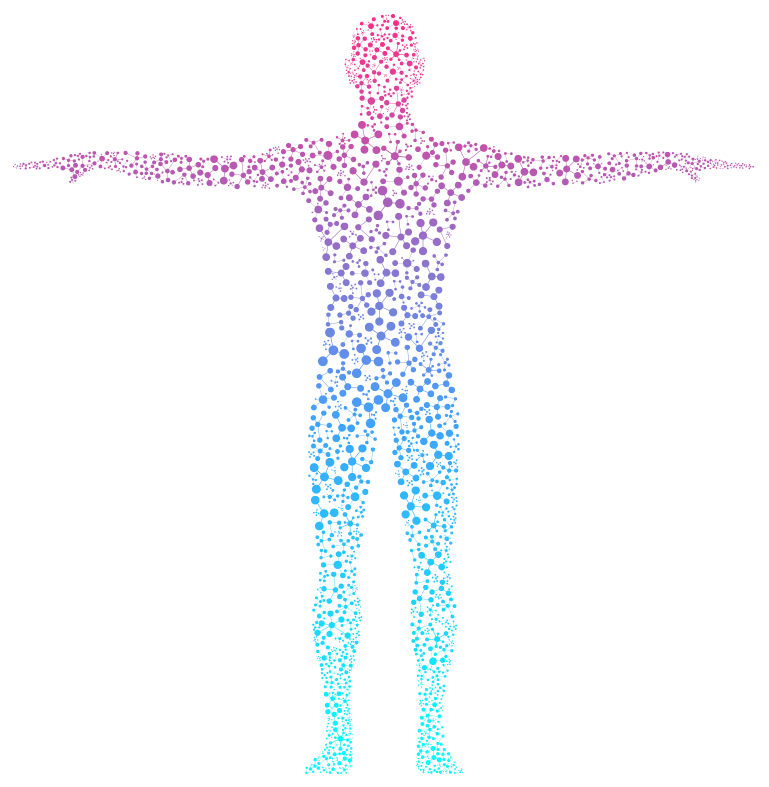
So how exactly does interoception do its important job? This sense is hard at work all of the time, monitoring your entire body—body parts like your heart, lungs, stomach, bladder, muscles, skin, and even your eyeballs—and collecting information about how these body parts feel. This information gets sent from the body to the brain to determine how you are feeling. For example, interoception collects information which helps your brain identify how your stomach feels: does it feel empty, full, gassy, nauseous, tingly, or something else?
Your brain uses the information about the way your body feels as clues to your current emotion(s): are you hungry, nervous, tired, sick, excited, and so forth?
Thus, at the most basic level, interoception can be defined as the sense that allows us to answer the question, “How do I feel?” in any given moment.
Self-Regulation: Interoception is a Must!
So now that we have defined what is interoception and how it works, let’s explore why interoceptive sensations are so important. Clear awareness of your body signals not only gives you important feedback about exactly how you are feeling (for example: feeling content, happy, or anxious), it also gives you valuable information about the situation at hand (for example: what you are doing or where you are that makes you feel content, happy, or anxious).
In cases of dysregulation, your body’s signals also serve as an alert that your internal body balance is off, motivating you to take action by doing something that will restore the internal balance and help your body feel more comfortable. In other words, noticing the way your body feels is what motivates purposeful self-regulation behaviors.
Take, for example, if you notice that your stomach is growling, that feeling provides you with a clue that you are hungry, which then might motivate you to take action and eat. Or perhaps you notice a tight or heavy stomach, which lets you know that you are full, and that is what motivates you to stop eating.
Or maybe you notice shivering muscles or goosebumps on your skin, which give you clues that you are cold. This might prompt you to put on a sweater. Or possibly you notice a tight feeling in your chest, feel your heartbeat race, and your muscles get tight, which might tell you that you are anxious and urge you to seek the comfort of a loved one. In all of these cases, your interoceptive body sensations are what serve as your motivation to self-regulate, to do something that restores the comfort within your body.
Said in another way: interoception is the very foundation of independent self-regulation.

An Unreliable Interoception Experience

Now, think about what would happen if your inner interoception experience was unclear or confusing. What if you were unable to feel what was happening in your body? What if you noticed feelings on the inside of your body but had no idea what the feelings meant? Or what if your internal sensations were so overwhelming that your body feels unsafe on a daily basis?
Unfortunately, this is a reality for many people. Many people with neurotypes or diagnoses such as autism, ADHD, trauma disorders, anxiety, depression, eating disorders, toilet training difficulties, sensory processing differences (previously referred to as sensory processing disorder), and behavioral “challenges” have been found to have interoception differences.
For example, Chloe, an autistic young adult, reports, “I was an encyclopedia of coping strategies. I could tell you over 50 strategies that people taught me to use to ‘calm down.’ The amount I could use in the moment? Zero. I did not feel the signs in my body cueing me to use the strategies.”
Jasim, a teenager with an anxiety disorder shares, “Anxiety would slam into me with little warning. I never felt the building signals of overwhelm. Then all of a sudden, I’m in a full panic mode. Screaming, crying, doing what anyone would do when they feel that way. It was incredibly embarrassing.”
However, given the fact that many of us live in a society that does not put a lot of emphasis on the importance of the body and listening to the messages it sends, many people without a specific condition or diagnoses can have interoception difficulties as well.
For example, Sanza, an adult, wrote, “I would eat all of the time. When I watched TV, when I was sitting at my desk doing work, when I was driving my kids to all of their activities. I wasn’t eating when my body felt hungry. My body was numbed out, and I was just going through the motions.”
Ricardo, a special education teacher, stated, “Previously, when my students were having a hard time—yelling, throwing, kicking—I didn’t recognize the reactions occurring in my own body. I was completely unaware of how my own inner experience was contributing to the situation. Gaining more awareness of my own interoceptive signals has allowed me to be a calming force when my students are dysregulated—a win for all of us.”
Research has found that improving the awareness and understanding of our interoceptive signals is good for all people and has many benefits.
How Interoception Can Help
For many years, I used traditional approaches to help the clients in my occupational therapy practice regulate their emotions, only to fall short most of the time. Something was missing. My clients were definitely making gains, but I knew there was still something missing, something that was preventing them from achieving the level of self-regulation needed for lifelong flourishing.
And then it happened one day… being a huge research geek paid off (yes—spending hours getting lost in a maze of research articles is a dream evening for me)! I read an article written by Dr. Bud Craig about a sense called interoception, and my world completely changed.
Once I had the answer to “What is interoception?,” I started applying this sense to my OT practice. I had many conversations with my clients and their families, only to discover that most of my clients were completely unaware or very confused about how their bodies feel. This made understanding and regulating their emotions nearly impossible. And yikes…I was missing this all along!!
Interoception Studies
Once I began to study interoception and apply it to my practice, it opened up a world of possibilities for my clients—and for me! Interoception has been widely studied for decades, but is only now making its way into practical application. Thankfully, this information is rapidly improving our ability to understand dysregulation a little bit better, which in turn is driving more effective (and kind) supports that honor each person’s inner experience.
Research states that interoception can be improved, and I see this on a daily basis with my clients. It is really meaningful to help my clients discover and understand their own unique body signals and emotions.
How Interoception Helps With Various Experiences
Interoceptive processes play a role in so many different life experiences, and understanding them can open new pathways for growth, regulation, and well-being. To help you dive deeper, I’ve created resources that connect interoception with a variety of topics you may encounter personally, professionally, or with the ones you support. Explore the links below to learn more about how interoception intersects with each area:
Including Mindfulness and Interoceptive Awareness (IA) Builders
Mindfulness practices have been shown to be one of the most effective, evidence-based interventions for improving interoceptive awareness—our ability to notice, understand, and respond to the internal signals our body sends us. Interestingly, mindfulness is shown to activate the insular cortex, the interoceptive center in the brain. That is why those who practice meditation often have superior levels of interoception.
Although mindfulness has many wonderful benefits, including increasing awareness of body sensations, it can be very abstract and difficult for many people.
Therefore, we have worked to adapt mindfulness practices, creating strategies that work well for many different learning styles. These strategies, known as Interoceptive Awareness (IA) Builders, modify abstract mindfulness concepts into concrete, visual, interactive, and engaging activities that help people explore and understand their own personal inner sense.
“Based on her years of experience, Kelly offers practical tools that can be used to guide attention to the messages that our bodies are constantly sending to our brains. We all need to listen to our bodies and understand its messages. Kelly knows how to listen, and she knows how to help others listen better to their bodies. Here she shares her natural understanding of interoception and her recommendations for how we can help others to improve their own interoceptive awareness.”
A. D. (Bud) Craig, PhD
Interoception Resources
These IA Builders are now available for many people to use. Whether you are a professional looking for strategies to enhance the interoceptive awareness in the clients you serve, a caregiver wishing to nurture your child’s interoceptive understanding, or a self-helper on a quest to gain more clarity over your inner body signals and emotions, I’ve got you covered. These evidence-based, neurodiversity-affirming resources will help you, your clients, and your children develop your interoceptive sense.


Why Choose My Resources?


Why Choose My Resources?
Hi, I’m Kelly Mahler, OTD, OTR/L, an occupational therapist with over 20 years of experience supporting both children and adults. I earned my Doctorate in Occupational Therapy from Misericordia University and currently serve as adjunct faculty at Elizabethtown College and Misericordia University.
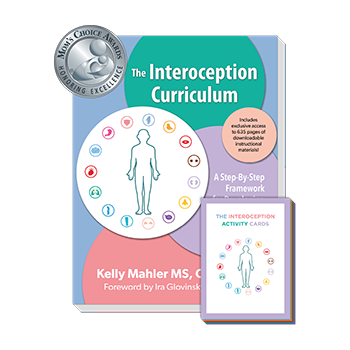
My passion lies in helping people better understand and connect with their internal body signals through the sense of interoception. I’ve authored ten resources, including The Interoception Curriculum and Interoception: The Eighth Sensory System, several of which have been recognized with Mom’s Choice Awards and other national honors. In addition to my writing and clinical work, I co-lead research projects on interoception, self-regulation, trauma, and autism, and I frequently speak internationally on these topics. My goal is to share practical, compassionate strategies that empower individuals, families, and professionals alike.

What Is Interoception and Other Frequently Asked Questions
Looking for more information on what is interoception and how it can help you? Keep reading to see the answers to our most common questions.
What is Interoception?
Interoception is a sense that helps us notice, interpret, and regulate signals originating from within the body. A primary pathway for this communication is the vagus nerve, which conveys information to and from organs such as the heart, lungs, and gut and the brain. These internal signals create the foundation for our awareness of physical states and emotions (e.g., hunger, pain, anxiety, joy). Thus, interoception is tied to self-regulation, decision-making, and overall well-being.
Why is interoception important?
When we’re tuned in to our body signals, it’s easier to understand our emotions, regulate our behavior, and take care of our bodily needs. Among other things, interoception supports participation in daily occupations like eating, toileting, sexuality, and pain management.
What does it look like when interoception is misunderstood or underdeveloped?
Some people may struggle to notice body signals, which can make it hard to recognize hunger, pain, or emotions until they become overwhelming. This can affect daily routines, learning, relationships, and self-care.
Can interoception be improved?
Yes! Just like other skills, interoception can be nurtured and strengthened through practice. Many strategies and tools can help people become more aware of their body signals in a safe, supportive way.
Who can benefit from learning about interoception?
Everyone can! But nurturing interoception is especially helpful for individuals who commonly experience challenges with emotional regulation or mental health. Or people who report differences in sensory processing. This may include autistic people, ADHDers, people with anxiety, depression, chronic pain, and illness, or those who have a history of trauma.
How does interoception connect to mental health?
Our ability to understand and interpret body signals is closely tied to how we experience emotions like anxiety, stress, or joy. Building interoceptive awareness can help people develop more meaningful and individualized coping skills, nurture body trust, and encourage emotional resilience.